
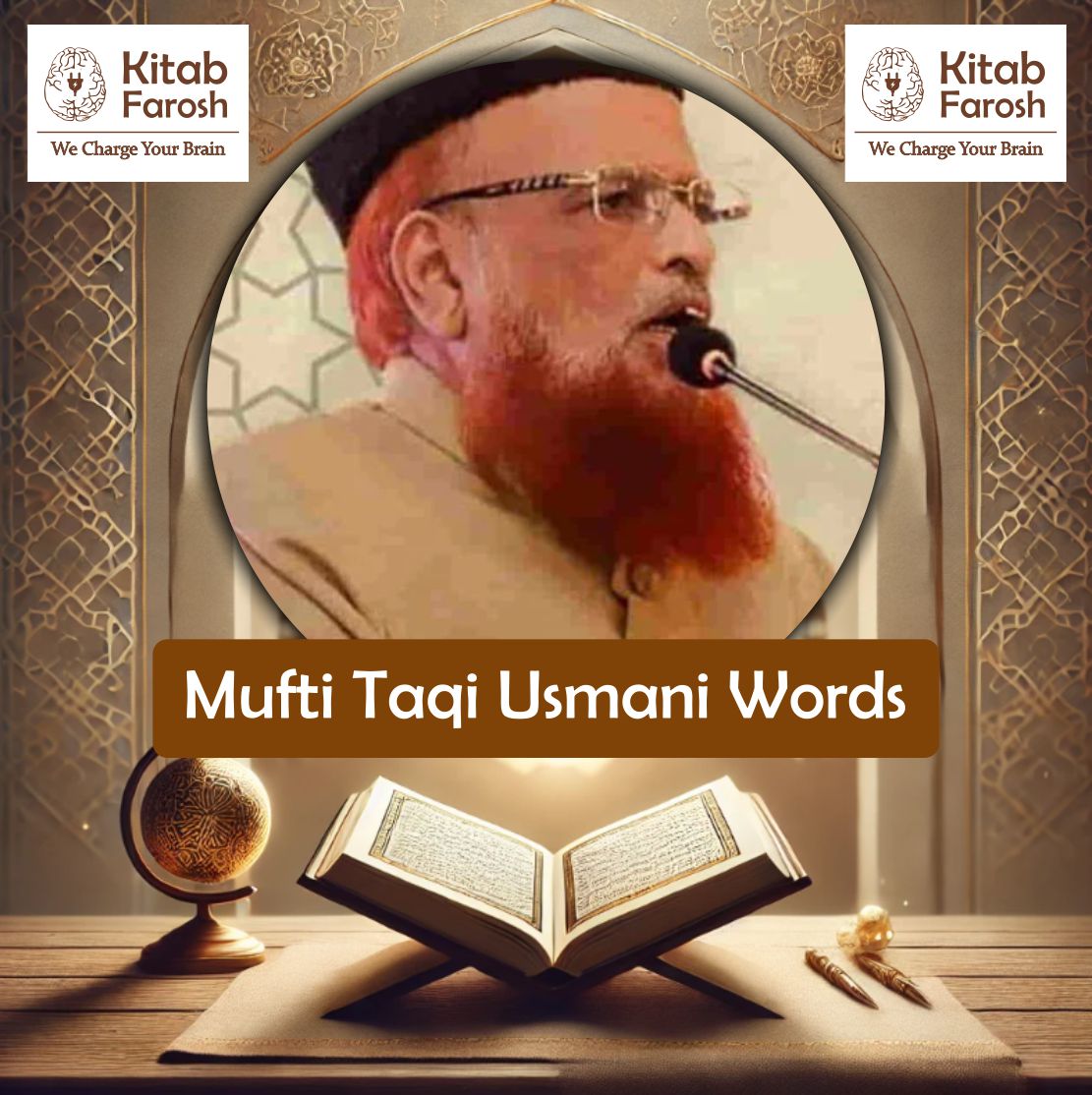
The Difference Between Humility and Inferiority Complex: Mufti Taqi Usmani’s Perspective (Malfoozat of Shaykh al-Islam Hazrat Maulana Mufti Muhammad Taqi Usmani)
It was advised that psychology has gained significant influence nowadays, and one commonly discussed concept in psychology is the “inferiority complex,” which is viewed as a negative trait that requires treatment if it develops in someone.
Someone once asked me, “When you advise people to humble themselves (to kill their own view), does this create an inferiority complex?” Is it correct to encourage people to develop an inferiority complex within themselves?
The truth is that humility and an inferiority complex are different things. The first thing to understand is that those who invented psychology had no knowledge of religion or understanding of Allah and His Messenger (Peace be Upon Him). They coined the term “inferiority complex,” which often includes several good qualities, mistakenly lumped together. But in reality, humility and an inferiority complex are distinct.
The difference is that an inferiority complex involves complaint and dissatisfaction with Allah’s creation. In an inferiority complex, a person feels deprived, thinking they deserved more but received less, or feels resentful over things like their appearance, wealth, or status. This leads to frustration and jealousy toward others, and a sense of hopelessness, feeling that they are incapable of achieving anything. Essentially, an inferiority complex is rooted in a complaint against Allah’s decree.
Humility, however, arises from gratitude for Allah’s blessings, not dissatisfaction with His will. A humble (Tawazu) person thinks, “I did not deserve these blessings, but Allah has bestowed them upon me by His grace and favor.” This gratitude-based humility is very different from an inferiority complex. Humility is, therefore, a beloved and praiseworthy trait. The Prophet Muhammad (peace be upon him) said that whoever adopts humility for Sake of ALLAH, Allah grants them honor and elevation.
(Islahi Khutbat, Volume 5, Page 49)
This Malfooz is selected by Dr. Faisal Sahib.