

Basic 10 Rights of Workers and Labors: A Moral and Legal Responsibility
Table of Contents
Who Is a Laborer?
When we speak of laborers, the image that often comes to mind is of a daily wage worker working under the sun. However, the definition is much broader. Your office peon, sweeper, household help, or even a full-time employee under your supervision—all are laborers in their own right. Every hard-working individual who earns a livelihood through physical or lower-tier work deserves your respect and fair treatment.
Islamically and ethically, if someone is under your employment or care, you are responsible for their wellbeing.
1. Fulfill Their Needs With Compassion
“Whoever makes things easy for others, Allah will make things easy for him in this world and the hereafter.” — Hadith
If you are financially able, support your workers beyond their agreed salary. A small bonus or gift can significantly improve their lives and increase your blessings.
What You Can Do:
- Provide transportation or meal allowance.
- Offer yearly bonuses or Eid gifts.
- Show empathy during their personal or family crises.
2. Define Clear Responsibilities
Ambiguity in job roles leads to injustice. Islam and modern ethics demand that employees are only held accountable for duties they’ve agreed to. Adding responsibilities without permission is exploitation.
Right Approach:
- Make a written or verbal agreement of duties.
- Do not expect personal favors outside job scope.
- If needed, pay extra for extra work.

3. Prohibition of Unjust Salary Cuts
Cutting salary as punishment is unjust. Even if a worker underperforms, you are not allowed to reduce agreed wages. Instead, follow a dignified path—offer correction, and if necessary, terminate respectfully.
What You Should Do:
- Give verbal or written warnings first.
- Offer training if possible.
- If you part ways, pray for their better future instead of humiliating them.
4. Grant Leaves With Understanding
If a laborer is unwell, has a family emergency, or another valid reason, do not create unnecessary obstacles. Even if leave is unpaid, agree on it respectfully.
Tips:
- Do not deduct without prior agreement.
- Allow leaves for important events (marriage, death, exams).
- Be human—empathy builds trust and loyalty.
5. Ensure Safe and Respectable Working Conditions
Every worker deserves a clean, safe, and respectful environment.
Ethical Standards:
- Drinking water and fans during summer.
- Clean washroom facilities.
- Respectful communication—never shout or insult.
6. Give Breaks and Manageable Work Hours
No human can work non-stop. Regular breaks and humane work hours are part of basic rights.
Recommendations:
- Allow a tea break in long shifts.
- Avoid assigning work beyond legal limits.
- Don’t call workers outside working hours without need.
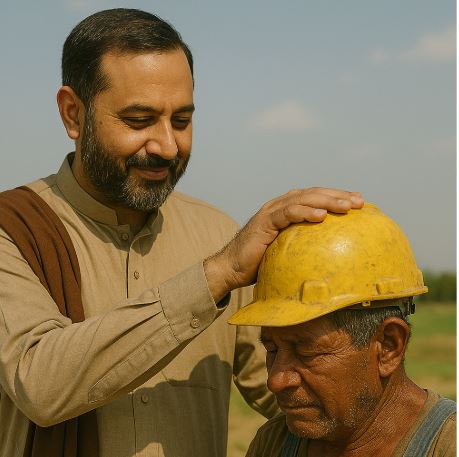
7. Respect Their Dignity and Privacy
Laborers are not your slaves. They have dignity, personal space, and rights.
Avoid:
- Speaking rudely or abusively.
- Checking their mobile phones or bags.
- Forcing them to share personal details.
8. Offer Skill Training and Upliftment
Help workers grow. If possible, guide them towards skill-building, education, or a better job.
Ideas:
- Sponsor their child’s school admission.
- Teach them basic tech use (phones, banking).
- Refer them to better jobs if you don’t need them anymore.
9. Treat Domestic Workers Like Family
In homes, many employers treat maids or drivers like inferiors. Islam strongly condemns such behavior.
Prophet ﷺ said:
“They are your brothers whom Allah has placed under your authority. So feed them what you eat, clothe them with what you wear…” (Bukhari)
10. Pay Salaries On Time—Without Delays
Delaying wages without genuine cause is haram (prohibited).
“Give the worker his wages before his sweat dries.” — Ibn Majah
Always make salaries a priority—even over your luxuries.
Conclusion: Build a Fairer World, One Worker at a Time
These basic 10 rights of workers and labors are not just about law or paperwork. They are about humanity, Islamic ethics, and social justice. Whether you’re an employer, homeowner, or business owner, take responsibility for those under you.
ReadNGrow – FREE Knowledge Hub
For more informative articles on historical events and awareness topics, visit ReadNGrow.online.
Learn more about global history and workers’ rights—subscribe to ReadNGrow.online for enriching content updates! Follow Our WhatsApp Channel to Stay Connected with latest articles by ReadNGrow on this Link Follow the Channel.
What are the basic rights of workers in Islam?
Islam commands fair wages, timely payments, respectful treatment, and safety. Workers are to be treated as brothers—not as inferiors.
Is salary deduction allowed if a worker underperforms?
No. Salary deductions are prohibited unless agreed in advance. Employers should offer feedback or terminate the contract respectfully.
Are domestic workers entitled to leaves and rest?
Absolutely. Every worker has the right to rest, leave, and humane treatment. Employers should follow both legal and ethical practices.